

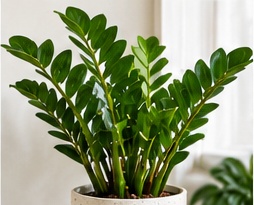
ZZ Plant
Zamioculcas zamiifolia
Glossy, wand-like stems of deep green leaves, and one of the toughest houseplants you can own.
About ZZ Plant
Glossy, deep green and endlessly tough, the ZZ Plant has become one of the most dependable houseplants anywhere. Its arching stems are lined with waxy, oval leaflets that look polished, and it will carry on cheerfully through dim light, dry air and weeks of forgotten watering. If you want a plant that looks smart and asks for almost nothing, this is it.
From East African Savanna to Office Favorite
The ZZ Plant is native to eastern and southeastern Africa, where it grows in dry, seasonal regions of Kenya, Tanzania and south to South Africa. Its secret is a set of thick, potato-like underground rhizomes that store water, letting the plant survive long dry periods. It belongs to the arum family, Araceae, and is the only species in its genus. The name Zamioculcas reflects the resemblance of its leaves to those of cycads in the genus Zamia.
The Secret Behind That Glossy Look
Each stem carries pairs of thick, shiny leaflets, and each leaflet also stores water. Combined with the rhizomes, that reserve means the plant is happy to dry out between waterings and does not need high humidity. New shoots appear as thick, upright spears and unfurl slowly, so growth is steady but never fast. The plant grows from the base, so each new stem is a bonus.
A World of Beautiful Varieties
The standard ZZ Plant has bright green, glossy leaves. A darker form known as Raven starts out green and ripens to an almost black, purple-tinged color as the leaves mature. There are also compact varieties with shorter stems and a more tightly packed shape. All share the same easy care.
Bringing East Africa Indoors
ZZ Plants cope with low light but grow best in medium to bright, indirect light. Water thoroughly only when the soil has dried out, about every two to three weeks, and less in winter. A well-draining potting mix and a pot with drainage holes are essential, because the rhizomes rot in soggy soil. The sap can irritate skin and all parts of the plant are toxic to pets and people if eaten, so keep it out of reach and wash your hands after handling.
Sleek, glossy and incredibly hardy, the ZZ Plant is a reliable choice for homes, offices and anywhere light is limited. Give it a good soak now and then, then leave it alone, and it will reward you with steady, healthy growth.
Care Guide
Everything you need to know to keep your ZZ Plant happy and healthy.
A ZZ Plant survives in dim spots but grows more slowly there. Medium to bright indirect light gives the best growth. Avoid long periods in direct sun, which scorches the leaves.
Soak the soil, drain it well, and then wait until it is dry all the way through, usually two to three weeks. When in doubt, wait. Overwatering is the main cause of loss.
Use a regular houseplant mix with a generous handful of perlite, or a cactus mix. The rhizomes need air.
ZZ Plants do not need misting. Dry air is no problem.
Keep above 45°F (7°C), and away from cold drafts and radiators.
A diluted balanced fertilizer is enough. Skip it in winter.
Through the year
Spring
Repot if the rhizomes are crowding the pot and begin watering a little more often.
Summer
Water every two to three weeks; keep out of harsh direct sun.
Autumn
Space watering out as light fades.
Winter
Water about once a month and keep away from cold drafts.
Repotting
- Repot every
- 1–2 years
- Best time
- Spring
- Pot size step-up
- Go up 1–2 inches (2.5–5 cm) in pot diameter
- Soil mix
- Well-draining potting mix with extra perlite or coarse sand
- Signs it needs repotting
- Rhizomes pushing up out of the soil, bulging or cracking the pot, or water running straight through.
ZZ rhizomes are strong enough to crack plastic pots. Use a sturdy pot and repot every two to three years.
Propagation
- Methods
- Leaf cutting, Division
- Difficulty
- Moderate
- Best season
- Spring to summer
- Time to root
- Leaf cuttings can take 6–9 months to form rhizomes
Division is the quickest method: separate the rhizome clumps at repotting, making sure each piece has roots and at least one stem, and pot each separately. Leaf cuttings also work but are very slow: push a healthy leaf stalk into moist, gritty mix, keep it warm and barely damp, and wait many months for a small rhizome to form. Wear gloves, as the sap irritates skin.
Common Problems
Yellowing, collapsing stems
Symptoms: Stems turn yellow and fall over, often starting at the base
Likely cause: Overwatering and rotting rhizomes
Lift the plant out, cut away any soft, brown rhizomes and repot the healthy ones in fresh, dry mix. Hold off watering for a week or two.
Brown, dry leaf tips
Symptoms: Leaf tips brown and crisp
Likely cause: Very dry soil for a long time, or salt build-up
Water deeply and flush the pot with plain water. Trim damaged tips.
Leaves dropping
Symptoms: Older leaflets yellow and fall off
Likely cause: Too little light or a sudden change in conditions
Move to brighter light and keep care steady. Some leaf loss after moving is normal.
Mealybugs and spider mites
Symptoms: White cottony clusters in the leaf joints, or fine webbing and pale speckling on the leaves
Likely cause: Sap-sucking insects, more common on stressed plants and in dry, warm rooms
Isolate the plant. Wipe visible bugs away with a cotton swab dipped in rubbing alcohol, then spray or wipe all leaf surfaces with insecticidal soap. Repeat weekly for at least a month, and rinse the plant in the shower first if the infestation is heavy.
Companion Plants
Plants that grow happily alongside this one.



Download Care Guide
A printable one-page ZZ Plant care sheet: light, water, feeding and top tips.
You Might Also Like
View More Plants →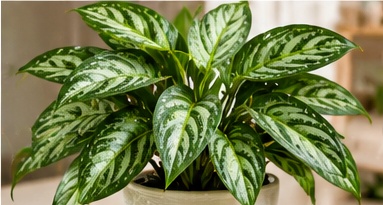
Chinese Evergreen
Aglaonema
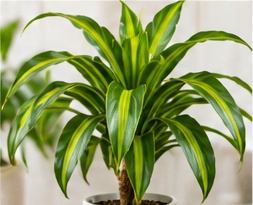
Corn Plant
Dracaena fragrans
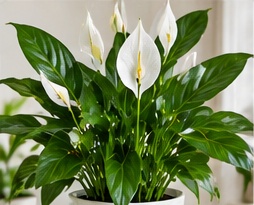
Peace Lily
Spathiphyllum wallisii
Snake Plant
Dracaena trifasciata