

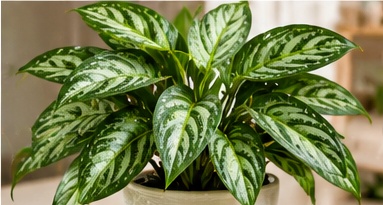
Chinese Evergreen
Aglaonema
Easy, shade-tolerant plants with patterned leaves in silver, green and pink, among the best choices for low light.
About Chinese Evergreen
Easy, attractive and wonderfully tolerant, the Chinese Evergreen is a shade-loving plant with leaves in silver, green, cream and sometimes pink or red. It forms a neat clump of large, oval, slightly pointed leaves, and it copes with low light, dry air and a bit of neglect. If you have a dim corner, this is a plant that will make it look good.
From Asian Forest Floor to Office Favorite
Aglaonemas are native to the tropical and subtropical forests of Southeast Asia and New Guinea, where they grow in the shade of the forest floor. They belong to the arum family, Araceae. The name comes from the Greek for ‘bright thread’, referring to the stamens of the flowers. In Asia they have long been grown as lucky plants, and they have been popular worldwide houseplants for more than a century.
The Secret Behind Those Painted Leaves
The silver and pale green markings on the leaves are patches with less chlorophyll, spread in bands, flecks and spots. Silver-leaved types, like the one in the picture, tolerate lower light, while the pink and red types need brighter light to keep their colors. Mature plants may produce small, calla-like flowers followed by red berries.
A World of Beautiful Varieties
Breeders have created hundreds of types. Silver Queen has silvery leaves with dark green edges, Maria is a darker green, and Red Siam, Pink Dalmatian and Lady Valentine bring pink, red and white splashes. The brighter the leaf color, the more light it needs.
Bringing the Rainforest Indoors
Chinese Evergreens thrive in low to medium, indirect light, though the colorful types want a bit more. Water when the top inch or two of soil has dried, and use a pot with drainage holes. They like warmth and moderate humidity, and they hate cold. The sap contains calcium oxalate crystals, and the plant is toxic to cats and dogs if chewed.
Reliable, handsome and endlessly adaptable, the Chinese Evergreen is a plant that keeps its cool in shade. Give it warmth, steady moisture and a spot out of direct sun, and it will provide years of patterned foliage.
Care Guide
Everything you need to know to keep your Chinese Evergreen happy and healthy.
Silver types tolerate low light best, while pink and red types need brighter light to keep their color. Direct sun scorches the leaves.
Water thoroughly and drain well. Do not let it sit in water, and water less in winter.
Use potting soil with perlite, in a pot with drainage holes.
Normal rooms are fine, but dry air can brown the leaf tips.
Keep above 60°F (16°C), as it is sensitive to cold and drafts.
Use a diluted balanced fertilizer.
Through the year
Spring
Repot and divide. Growth picks up.
Summer
Water more often, and keep out of direct sun.
Autumn
Water less as light fades.
Winter
Water sparingly and keep warm, away from cold windows and drafts.
Repotting
- Repot every
- 2–3 years
- Best time
- Spring
- Pot size step-up
- Go up 1–2 inches (2.5–5 cm) in pot diameter
- Soil mix
- Well-draining potting mix with perlite
- Signs it needs repotting
- Roots coming from the drainage holes, or a crowded clump with stems leaning outward.
Chinese Evergreens are slow-growing and happy slightly snug. Handle with gloves, as the sap irritates skin.
Propagation
- Methods
- Stem cutting, Division
- Difficulty
- Easy
- Best season
- Spring to summer
- Time to root
- 3–6 weeks
Take a stem cutting with at least two nodes, or divide a crowded plant at repotting into sections with roots. Stand cuttings in water or moist mix, and keep them warm and bright. Roots appear in a few weeks.
Common Problems
Cold damage
Symptoms: Leaves curl, brown or look water-soaked after a chill
Likely cause: Temperatures below 55°F (13°C) or a cold draft
Move to a warmer spot and trim damaged leaves.
Brown tips
Symptoms: Tips and edges brown
Likely cause: Dry air, tap water minerals or over-fertilizing
Use filtered water, raise humidity and flush the soil.
Fading color
Symptoms: Pink or red leaves turn green
Likely cause: Too little light
Move to a brighter spot, out of direct sun.
Yellowing leaves
Symptoms: Leaves turn yellow and soft, often the lower ones first; the soil stays wet
Likely cause: Overwatering or a pot without drainage
Let the top 2 inches (5 cm) of soil dry out between waterings and empty any saucer after watering. If the soil smells sour, slide the plant out and check the roots: healthy roots are firm and pale, rotten ones are brown and mushy. Trim the bad ones and repot in fresh, free-draining mix.
Companion Plants
Plants that grow happily alongside this one.
Download Care Guide
A printable one-page Chinese Evergreen care sheet: light, water, feeding and top tips.
You Might Also Like
View More Plants →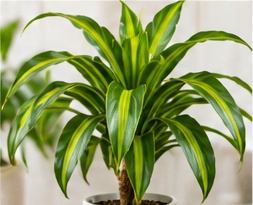
Corn Plant
Dracaena fragrans
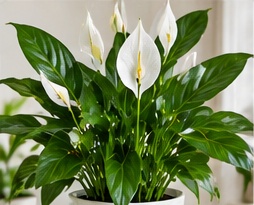
Peace Lily
Spathiphyllum wallisii
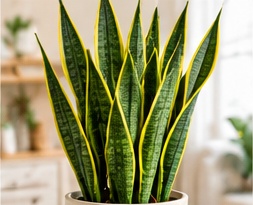
Snake Plant
Dracaena trifasciata
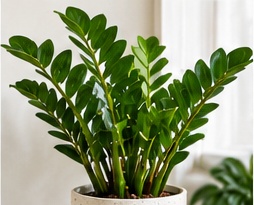
ZZ Plant
Zamioculcas zamiifolia