

Corn Plant
Dracaena fragrans
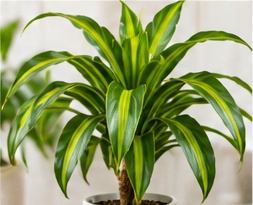
A tall, tree-like plant with arching, corn-like leaves, each with a pale stripe down its center.
About Corn Plant
Tall, tropical and refreshingly easy, the Corn Plant is a houseplant that brings height and a leafy fountain of green to any room. Its long, arching leaves, each marked with a pale yellow-green stripe, grow from a thick, woody cane, giving it the look of a small palm. It has been popular in homes and offices for decades because it tolerates low light and a bit of neglect.
From African Forest to Office Favorite
Dracaena fragrans is native to tropical Africa, where it grows in forests and can reach heights of 20 feet (6 meters) or more. It belongs to the asparagus family, Asparagaceae. The plant gets its common name from its long, strap-like leaves, which resemble the leaves of corn (maize). The most common variety sold is Massangeana, known as Mass Cane, with its distinctive yellow-green center stripe.
The Secret Behind That Cane
The Corn Plant grows on a thick, woody stem called a cane, which is often sold in sections. When a cane is cut, new growth appears just below the cut, so plants can be trimmed to size and will produce branches. Mature plants in the right conditions sometimes produce clusters of small, strongly fragrant white flowers at night, which is the reason for the name fragrans.
A World of Beautiful Varieties
Besides the Massangeana form pictured, there are cultivars with green-and-cream stripes such as Lemon Lime, and others with white-edged leaves. The related Dragon Tree, Dracaena marginata, has narrow, spiky leaves, and Lucky Bamboo is a related plant grown in water.
Bringing the Tropics Indoors
The Corn Plant grows best in medium to bright, indirect light, but tolerates low light. Water when the top inch or two of soil is dry, and use water that is not heavily fluoridated, as the plant is sensitive and the tips brown easily. It likes normal room temperatures and moderate humidity. The plant is toxic to cats and dogs if chewed, so keep it out of reach.
Bold, easygoing and long-lived, the Corn Plant is a fine choice for filling a corner. Give it steady light and a light touch with the watering can, and it will grow into a graceful, leafy tree.
Care Guide
Everything you need to know to keep your Corn Plant happy and healthy.
In low light growth slows and the stripe can fade. Direct sun scorches the leaves.
Use room-temperature water and let the excess drain. Dracaenas are sensitive to fluoride, so filtered water can help.
Use potting mix with extra perlite in a pot with drainage holes.
Normal rooms are fine, but dry air can brown the tips.
Keep it away from cold drafts.
Use a diluted balanced fertilizer.
Through the year
Spring
Repot, prune and take cane cuttings.
Summer
Water more often, and keep out of hot sun.
Autumn
Water less as growth slows.
Winter
Water sparingly and keep warm, away from drafts.
Repotting
- Repot every
- 2–3 years
- Best time
- Spring
- Pot size step-up
- Go up 1–2 inches (2.5–5 cm) in pot diameter
- Soil mix
- Well-draining potting mix with perlite
- Signs it needs repotting
- Roots coming out of the drainage holes, or a top-heavy plant that tips its pot.
Choose a heavy pot, as tall plants are top-heavy. The plant is slow-growing, so repot every two or three years.
Propagation
- Methods
- Stem cutting, Air layering
- Difficulty
- Moderate
- Best season
- Spring to summer
- Time to root
- 4–8 weeks
Cut a section of cane about 6 inches (15 cm) long, making sure you know which end is up (the end that was nearer the top). Stand it upright in moist, airy mix or in water, keep it warm and bright, and wait for roots and new shoots in a few weeks to months. Tip cuttings with leaves also root.
Common Problems
Brown leaf tips
Symptoms: Tips and edges turn brown
Likely cause: Fluoride in tap water, dry air or too much fertilizer
Use filtered or rainwater, keep the soil evenly moist and trim the tips.
Yellow lower leaves
Symptoms: Older lower leaves yellow and drop
Likely cause: A natural process or overwatering
A few lower leaves yellowing is normal. If many yellow, check the soil moisture.
Spider mites
Symptoms: Fine webbing and speckled leaves
Likely cause: Dry air
Rinse and wipe leaves and use insecticidal soap weekly.
Root rot
Symptoms: Soft, mushy base or stems, a sour smell from the soil, and leaves that yellow and collapse
Likely cause: Soil that stays wet, often from overwatering or a pot with no drainage
Unpot the plant and cut away any brown, mushy roots with clean scissors. Repot in fresh, dry, free-draining mix in a pot with drainage holes and wait a week before watering. If most of the plant is soft, take healthy cuttings or offsets and start again.
Companion Plants
Plants that grow happily alongside this one.
Download Care Guide
A printable one-page Corn Plant care sheet: light, water, feeding and top tips.
You Might Also Like
View More Plants →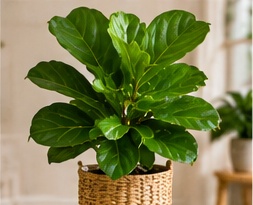
Fiddle Leaf Fig
Ficus lyrata
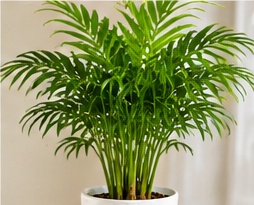
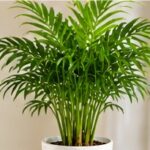
Parlor Palm
Chamaedorea elegans
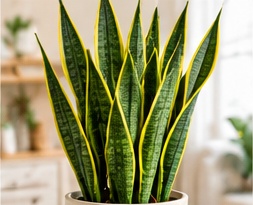
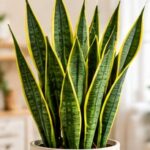
Snake Plant
Dracaena trifasciata
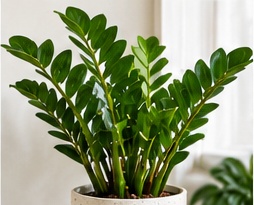
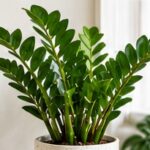
ZZ Plant
Zamioculcas zamiifolia