
Pygmy Date Palm
Phoenix roebelenii
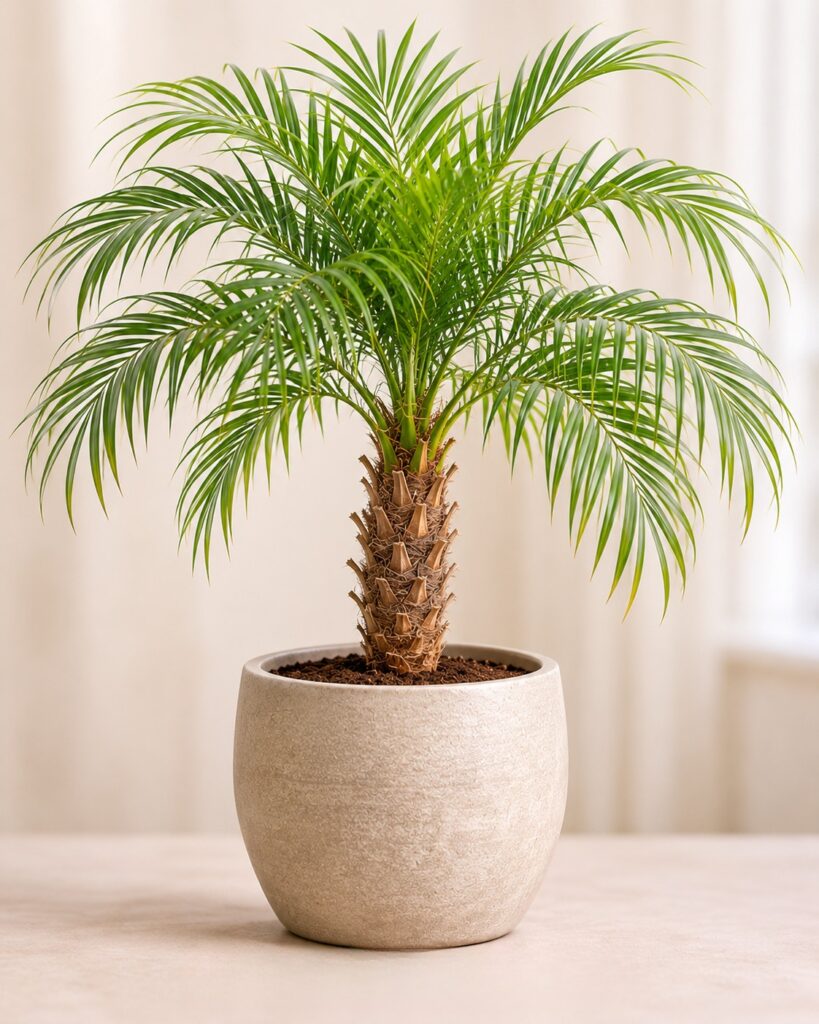
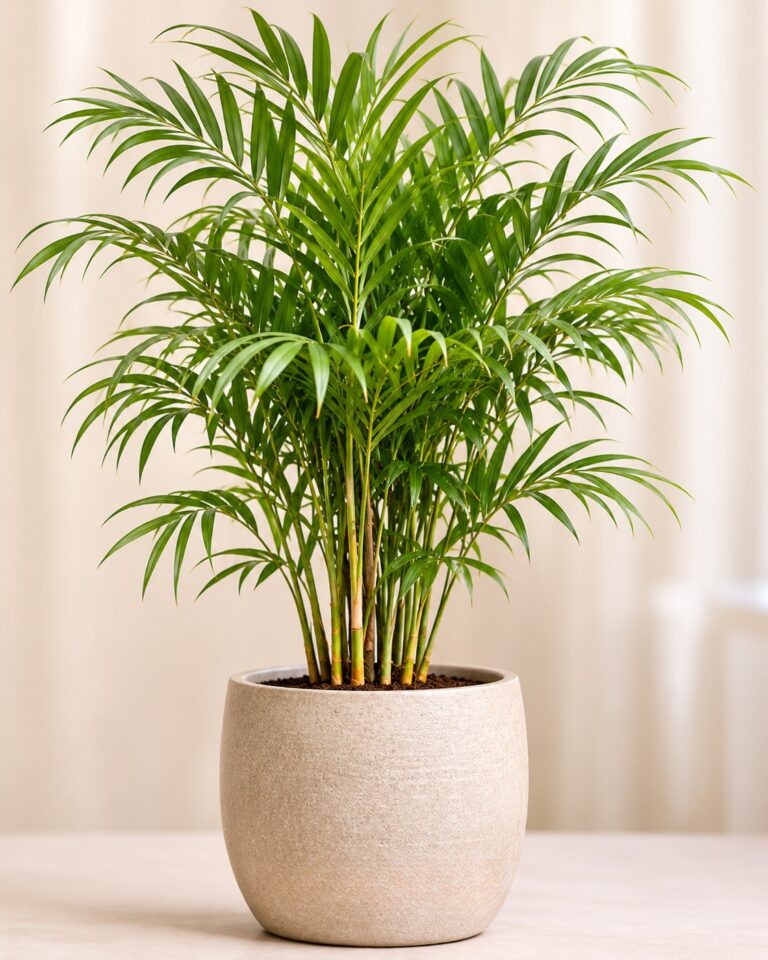
Fine, arching fronds on a small trunk give the Pygmy Date Palm the look of a miniature tropical resort.
About Pygmy Date Palm
The Pygmy Date Palm is the elegant little cousin of the date palm. Its graceful, feathery fronds arch from a short, textured trunk, giving a bright room the look of a tiny oasis, and it stays small enough for a corner or a patio.
From South East Asia to Houseplant Favorite
Phoenix roebelenii is native to southern China, Laos and Vietnam, where it grows along streams and in forest clearings. It was introduced to Western gardens in the late 19th century and became a favorite for pots and small gardens because it stays small and has a refined, feathery look.
The Secret Behind Its Feathery Fronds
The fronds are dark green, arching and finely divided, with soft leaflets arranged along a central rib. The trunk is slim and marked by the diamond scars of old fronds. A word of caution: the base of each frond carries sharp, needle-like spines, so handle the plant carefully and place it away from walkways and playing children and pets.
A World of Beautiful Varieties
Pygmy Date Palms are sold as single plants or as clusters of two or three trunks together, which gives a fuller look. They can be moved outdoors in summer in warm climates, and they will tolerate light shade as well as full sun outdoors.
Bringing the Tropics Indoors
Choose the brightest spot you have, with some direct sun if possible, because this palm likes more light than most. Water when the top inch of soil is dry, and keep it well drained. Turn the pot regularly for even growth. Wear gloves when handling or repotting, as the spines are sharp.
Delicate, elegant and compact, the Pygmy Date Palm is a lovely choice for sunny rooms, provided you place it out of reach of bare arms.
Care Guide
Everything you need to know to keep your Pygmy Date Palm happy and healthy.
Give it bright light with a few hours of direct sun if possible. Low light leads to weak, floppy fronds.
Water thoroughly, then let the top inch (2.5 cm) dry. Reduce watering in winter and never leave it in standing water.
Use a free-draining, sandy palm mix in a pot with drainage holes.
It tolerates normal household air but benefits from occasional misting.
Keep above 45°F (7°C) and away from cold drafts.
Feed every 6–8 weeks in spring and summer with a palm fertilizer or balanced fertilizer at half strength.
Cut away fully brown fronds close to the trunk, wearing gloves and sleeves because of the sharp spines.
Through the year
Spring
Repot if needed and start feeding.
Summer
Give bright light and water when the top inch dries.
Autumn
Reduce feeding and watering.
Winter
Water sparingly and keep away from cold windows.
Repotting
- Repot every
- 2–3 years
- Best time
- Spring
- Pot size step-up
- Go up 2 inches (5 cm) in pot diameter
- Soil mix
- Free-draining, sandy palm mix
- Signs it needs repotting
- Roots circling the pot or growing from drainage holes.
Wear thick gloves when repotting because of the sharp spines. Use a heavy pot for stability.
Propagation
- Methods
- Seed, Division
- Best season
- Spring to summer
- Time to root
- Several months
Seed germinates slowly, and division of clustered plants is tricky. Buying a plant is the easy route.
Common Problems
Brown frond tips
Symptoms: Crispy brown tips
Likely cause: Dry air or salts in tap water
Use filtered water and raise humidity.
Yellow fronds
Symptoms: Fronds yellow and drop
Likely cause: Overwatering or low light
Let the soil dry and give more light.
Spider mites
Symptoms: Fine webbing
Likely cause: Dry air
Wipe fronds and treat with insecticidal soap.
Companion Plants
Plants that grow happily alongside this one.
Download Care Guide
A printable one-page Pygmy Date Palm care sheet: light, water, feeding and top tips.
You Might Also Like
View More Plants →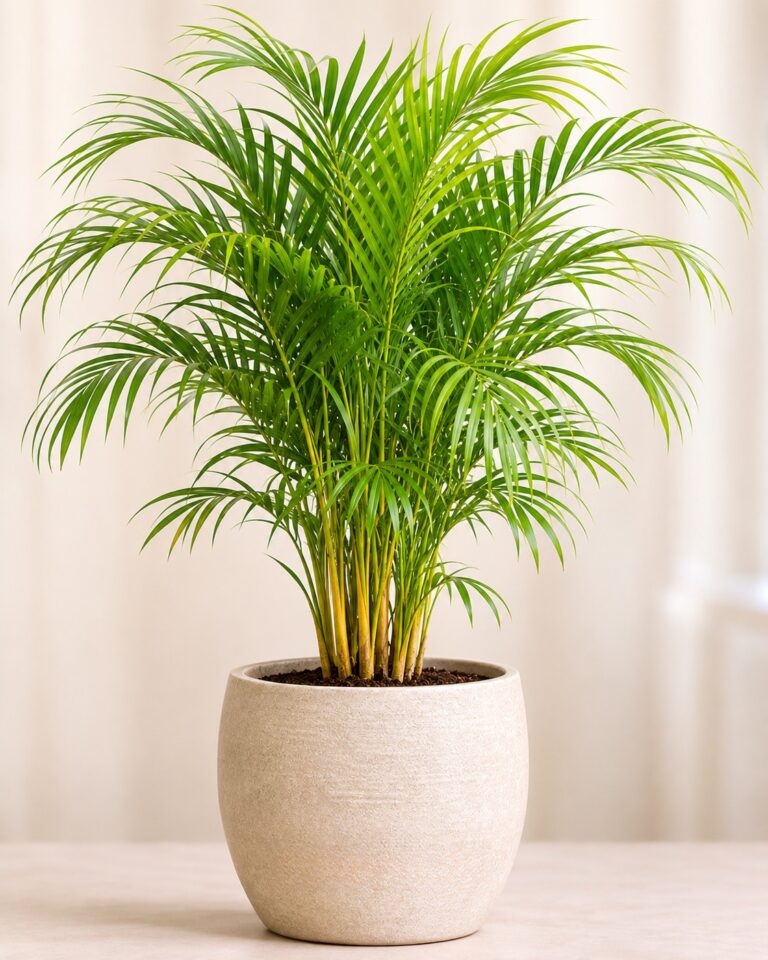
Areca Palm
Dypsis lutescens
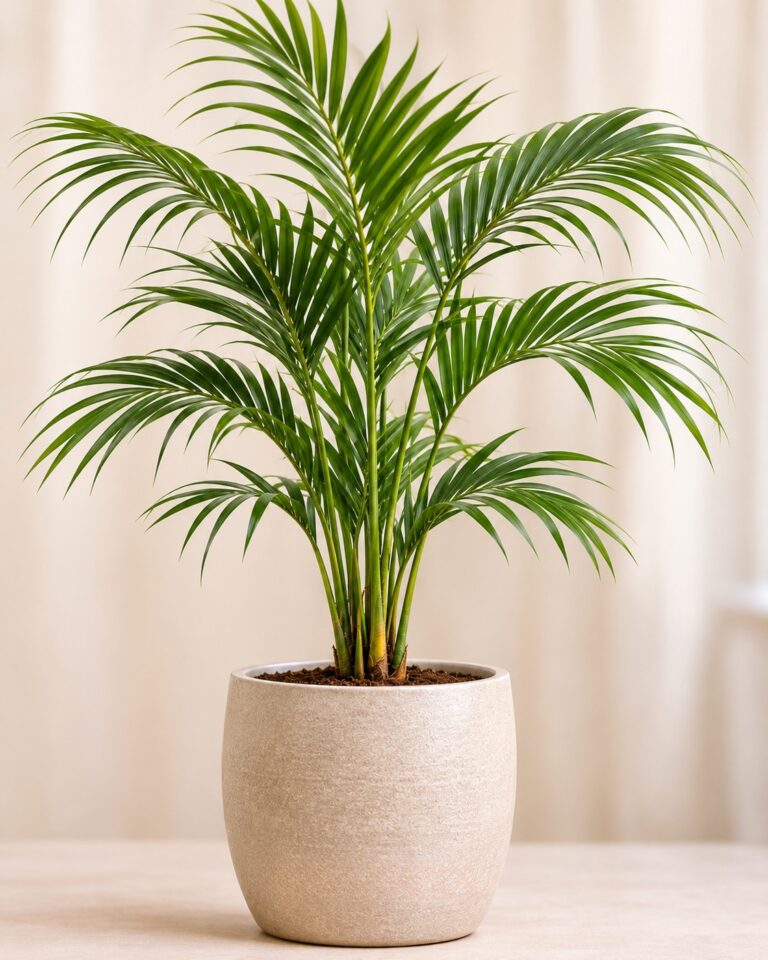
Kentia Palm
Howea forsteriana
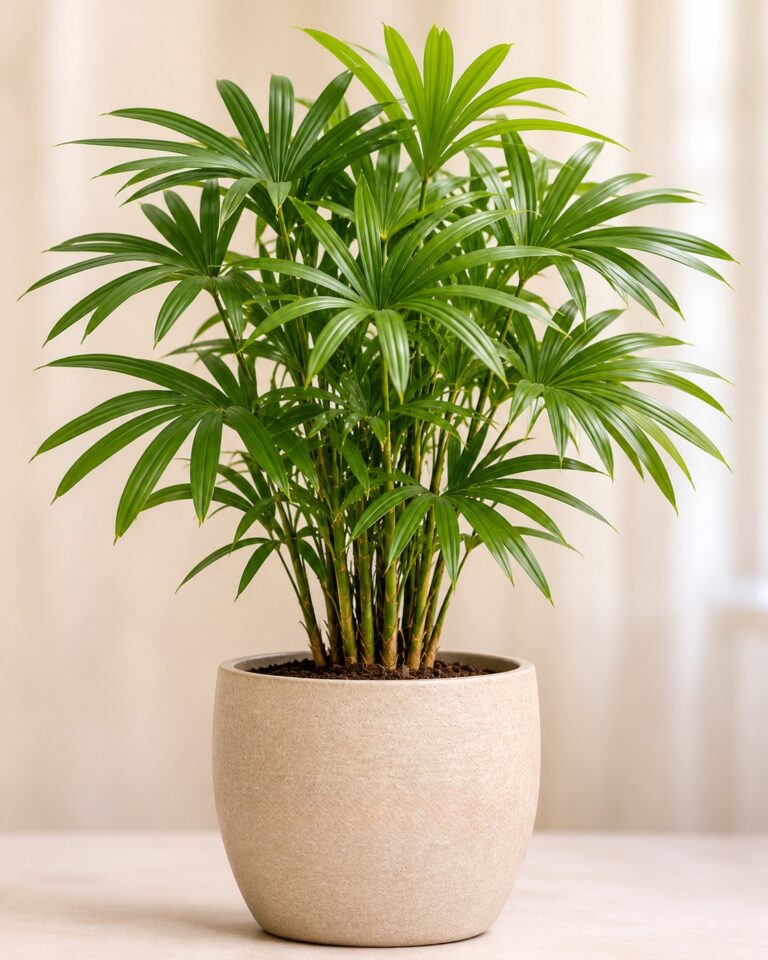
Lady Palm
Rhapis excelsa
Bamboo Palm
Chamaedorea seifrizii