

Lady Palm
Rhapis excelsa
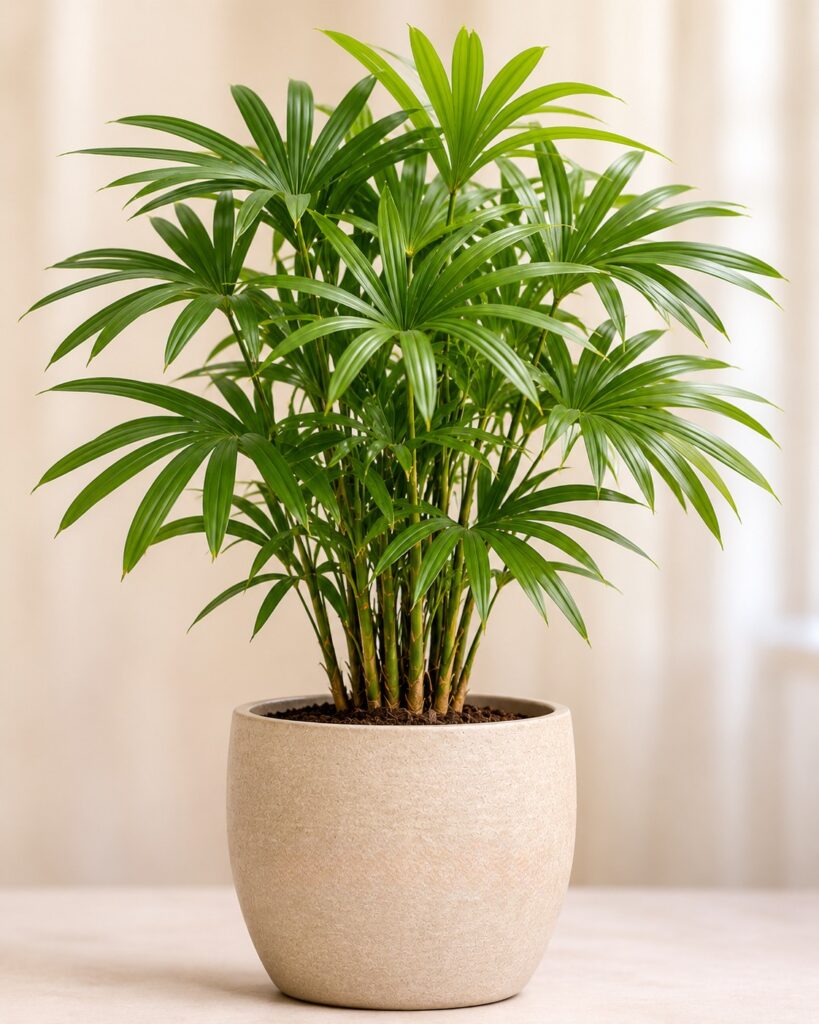
Fan-shaped, glossy leaves on slender, fiber-wrapped canes make the Lady Palm a tough and handsome palm for shade.
About Lady Palm
Among palms, the Lady Palm is the tough one in elegant clothing. Its broad, glossy, fan-shaped leaves fan out from slender, bamboo-like canes wrapped in brown fiber, and it grows slowly, tolerates shade, and shrugs off many common mistakes.
From Southern China to Houseplant Favorite
Rhapis excelsa is native to southern China and nearby areas of East Asia, where it has been cultivated for centuries. In Japan, it has been prized as a refined houseplant since the Edo period, with collectors breeding unusual variegated forms that were once worth a fortune. It arrived in the West in the 19th century.
The Secret Behind Its Fan Leaves
Each leaf is divided into five to ten glossy, dark-green segments that fan out like fingers, giving the plant a different look from feathery palms. The canes are clothed in coarse, woven brown fiber, which adds texture. New canes appear at the base, so the plant slowly widens into a dense, leafy clump.
A World of Beautiful Varieties
The standard Lady Palm is a solid green, but variegated cultivars with cream-striped leaves are especially prized and costly. Related species include the Slender Lady Palm, Rhapis humilis, which has finer leaves and thinner canes, and is also grown indoors. Both share care needs.
Bringing the Tropics Indoors
Lady Palms prefer medium to bright, indirect light, and direct sun scorches the leaves. Water when the top inch or two of soil is dry, and avoid overwatering, which is the most common problem. They like a free-draining mix and a pot with holes. Wipe the leaves occasionally to keep them clean, and feed lightly in the growing season.
Slow, sculptural and safe for pets, the Lady Palm is a tough, elegant choice for a shady corner.
Care Guide
Everything you need to know to keep your Lady Palm happy and healthy.
Prefers medium to bright, indirect light, and tolerates lower light. Direct sun scorches the leaves.
Water thoroughly, then let the top 1–2 inches (2.5–5 cm) dry. Reduce watering in winter. Overwatering causes root rot.
Use a well-draining potting mix with perlite or sand, in a pot with drainage holes.
Tolerates normal household humidity. Misting helps prevent brown tips in dry air.
It tolerates cooler conditions than most palms but should be protected from frost and cold drafts.
Feed every 6–8 weeks in spring and summer with a half-strength balanced fertilizer. Skip winter.
Cut off brown leaves at the base. Do not cut green leaves or healthy canes.
Through the year
Spring
Repot if crowded and begin light feeding.
Summer
Water as the top soil dries; avoid direct sun.
Autumn
Slow feeding and water less often.
Winter
Water sparingly; Lady Palms tolerate cool rooms.
Repotting
- Best time
- Spring
- Pot size step-up
- Go up 2 inches (5 cm) in pot diameter
- Soil mix
- Free-draining peat-based mix with perlite
- Signs it needs repotting
- Roots circling the pot or growing from drainage holes.
Lady Palms like to be a little crowded. Repot gently and infrequently.
Propagation
- Methods
- Division
- Difficulty
- Moderate
- Best season
- Spring
- Time to root
- Several weeks
Divide in spring. Remove the plant from its pot and separate a clump of canes with roots using a clean knife. Pot into fresh mix, water, and keep warm and humid until established.
Common Problems
Brown leaf tips
Symptoms: Crispy brown ends on leaves
Likely cause: Dry air or tap-water salts
Use filtered water and raise humidity.
Yellowing leaves
Symptoms: Leaves yellow and wilt
Likely cause: Overwatering
Let soil dry between waterings and check drainage.
Spider mites and scale
Symptoms: Webbing or sticky bumps
Likely cause: Dry air
Wipe leaves and treat with insecticidal soap.
Companion Plants
Plants that grow happily alongside this one.
Download Care Guide
A printable one-page Lady Palm care sheet: light, water, feeding and top tips.
You Might Also Like
View More Plants →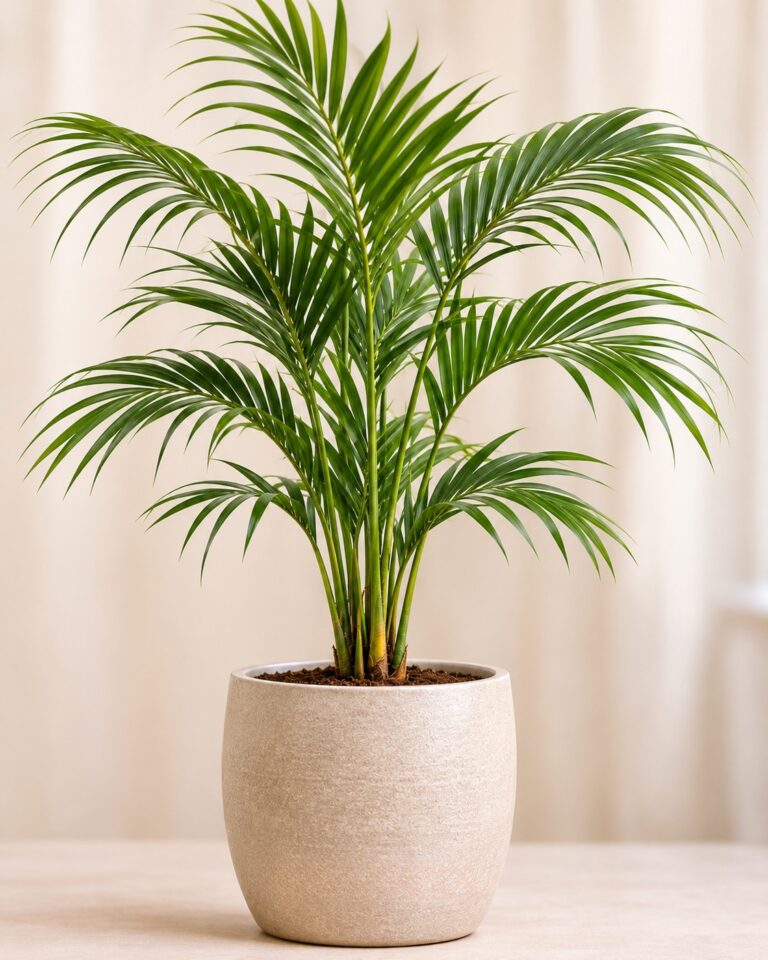
Kentia Palm
Howea forsteriana
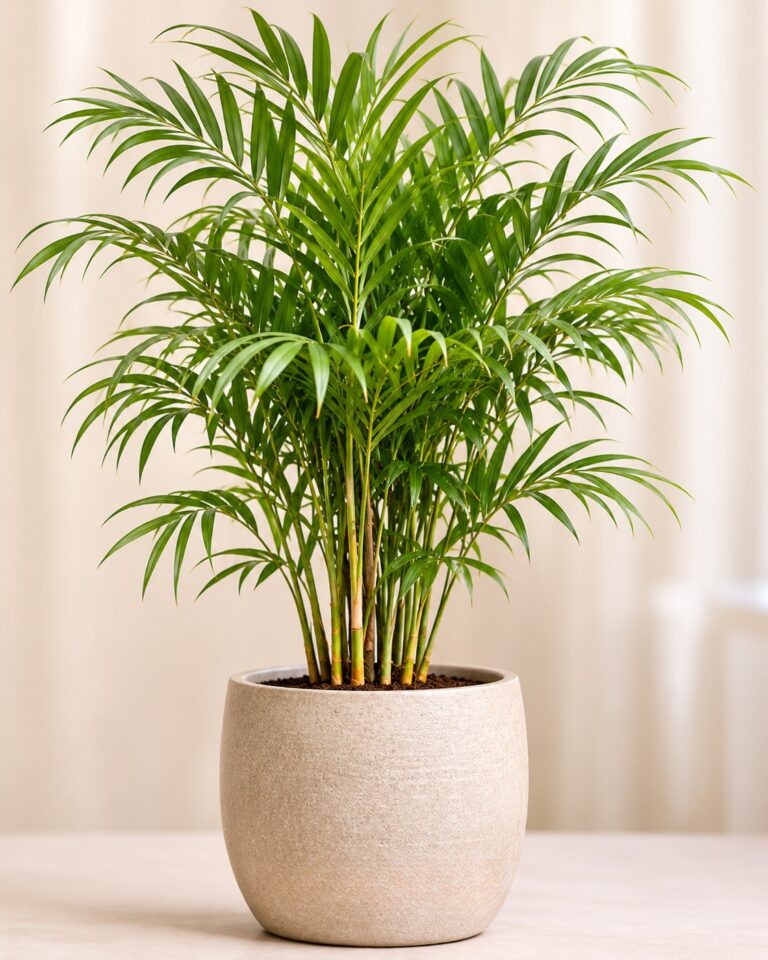
Bamboo Palm
Chamaedorea seifrizii
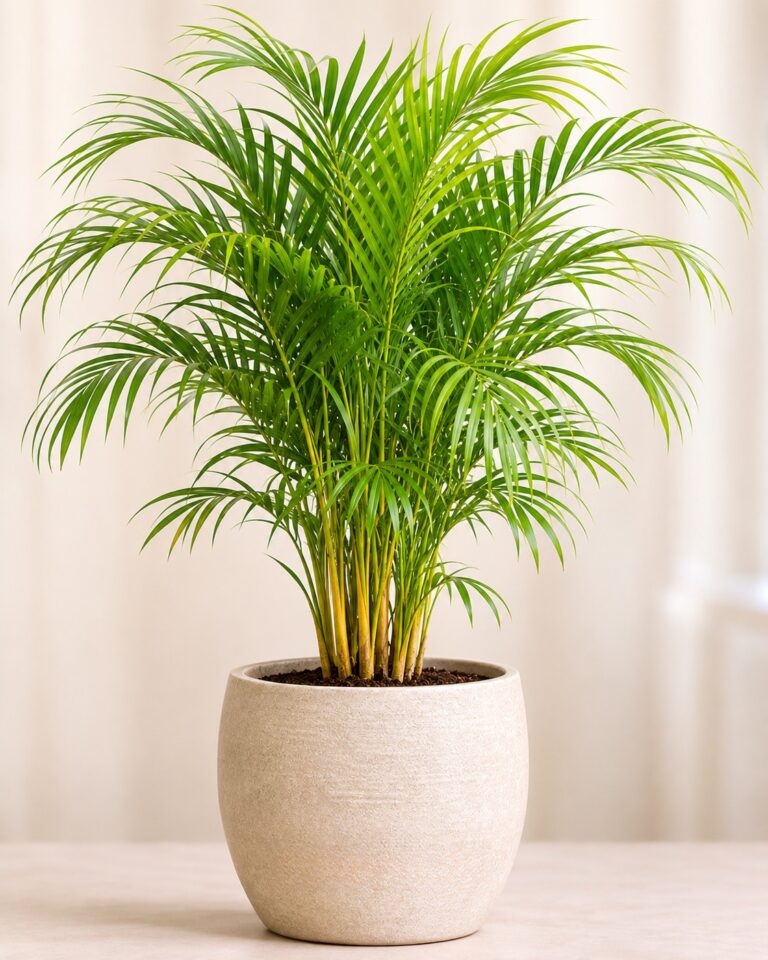
Areca Palm
Dypsis lutescens
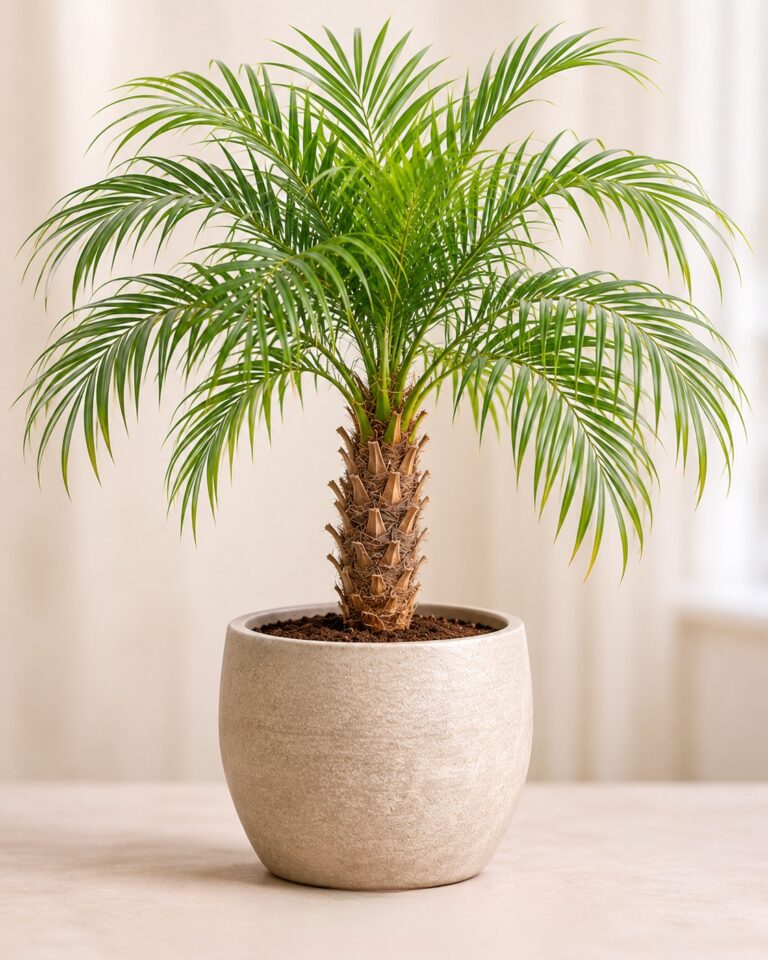
Pygmy Date Palm
Phoenix roebelenii