

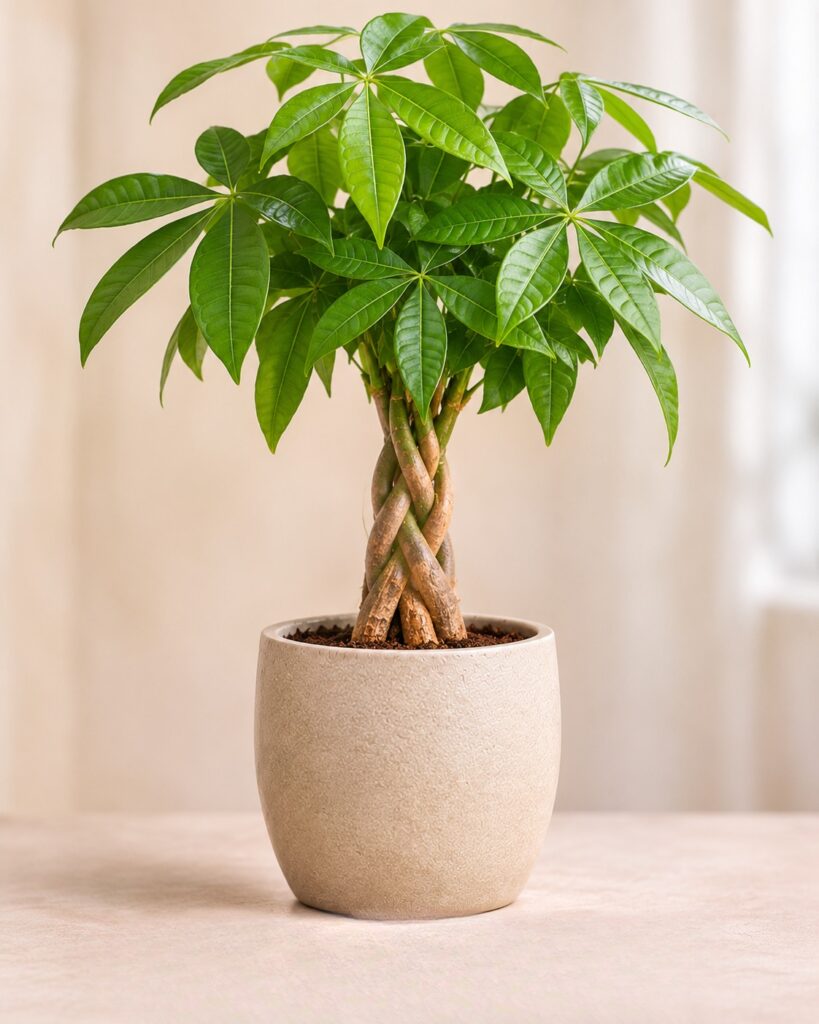
Money Tree
Pachira aquatica
A braided trunk topped with glossy, hand-shaped leaves makes the Money Tree a cheerful, pet-safe symbol of good fortune.
About Money Tree
The Money Tree is a houseplant with a story. Its slim, braided trunk and fan of glossy green leaves are said to bring good fortune, and it has the benefit of being easy to care for and safe for curious pets.
From the Wetlands of Central and South America to Houseplant Favorite
Pachira aquatica grows wild in the swamps and wetlands of Central and South America, where it can reach 40 feet (12 m) tall and produce large flowers and edible nuts. The braided houseplant form is said to have been created in Taiwan in the 1980s, when a truck driver braided several seedlings together, and it has been a popular gift ever since.
The Secret Behind Its Braided Trunk
Several young stems are woven together while still flexible, and as they thicken the braid locks into a handsome, sculptural trunk. Above it, glossy leaves unfurl in groups of five to seven leaflets, like an open hand. Plants are often sold with a thick, bulbous base that stores water, which helps it tolerate missed waterings.
A World of Beautiful Varieties
Most Money Trees are Pachira aquatica sold with a braided trunk, but you can also find single-stem plants and compact forms. Do not confuse it with the Chinese Money Plant, Pilea peperomioides, which looks completely different, with round, coin-shaped leaves.
Bringing the Tropics Indoors
Give your Money Tree bright, indirect light, and water when the top 2 inches of soil are dry. Like many tropical plants, it is more likely to suffer from too much water than too little, so make sure the pot drains freely and never leave it standing in water. It enjoys moderate humidity and warmth. Turn it regularly so the leaves grow evenly.
Cheerful, symbolic and gentle on pets, the Money Tree makes a lovely gift or a hopeful addition to your own home.
Care Guide
Everything you need to know to keep your Money Tree happy and healthy.
Place in bright, indirect light, a few feet from a window. It tolerates medium light, but direct sun scorches the leaves.
Water thoroughly, then let the top 2 inches (5 cm) of soil dry out. Overwatering causes yellow leaves and root rot, so water less in winter.
Use a well-draining mix with extra perlite or sand. A pot with drainage holes is essential.
It tolerates normal household humidity but enjoys occasional misting.
Keep above 50°F (10°C) and away from cold drafts.
Feed monthly in spring and summer with a balanced liquid fertilizer at half strength. Do not feed in winter.
Prune in spring to shape the plant, cutting just above a leaf node. Remove yellowed or damaged leaves.
Through the year
Spring
Resume feeding and repot if needed.
Summer
Water as the top 2 inches dry; protect from hot sun.
Autumn
Reduce watering and stop feeding.
Winter
Water sparingly and keep away from cold drafts.
Repotting
- Repot every
- 2–3 years
- Best time
- Spring
- Pot size step-up
- Go up 1–2 inches (2.5–5 cm) in pot diameter
- Soil mix
- Free-draining potting mix with perlite or sand
- Signs it needs repotting
- Roots at the drainage holes or growth slowing.
Money Trees are slow growers and enjoy being slightly pot-bound. Do not bury the base of the trunk.
Propagation
- Methods
- Stem cutting
- Difficulty
- Moderate
- Best season
- Spring to summer
- Time to root
- 4–8 weeks
Take a 6-inch (15 cm) stem cutting with several leaves. Let it dry for a few hours, dip in rooting hormone, and plant in moist potting mix. Keep warm and humid.
Common Problems
Yellowing leaves
Symptoms: Leaves turn yellow and fall
Likely cause: Overwatering or poor drainage
Let the soil dry, check drainage, and water less.
Brown leaf tips
Symptoms: Brown, crisp leaf tips
Likely cause: Underwatering or dry air
Water more evenly and raise humidity.
Spider mites and mealybugs
Symptoms: Webbing or white fluff
Likely cause: Dry air
Wipe leaves and treat with insecticidal soap.
Companion Plants
Plants that grow happily alongside this one.
Download Care Guide
A printable one-page Money Tree care sheet: light, water, feeding and top tips.
You Might Also Like
View More Plants →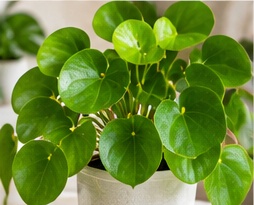
Chinese Money Plant
Pilea peperomioides
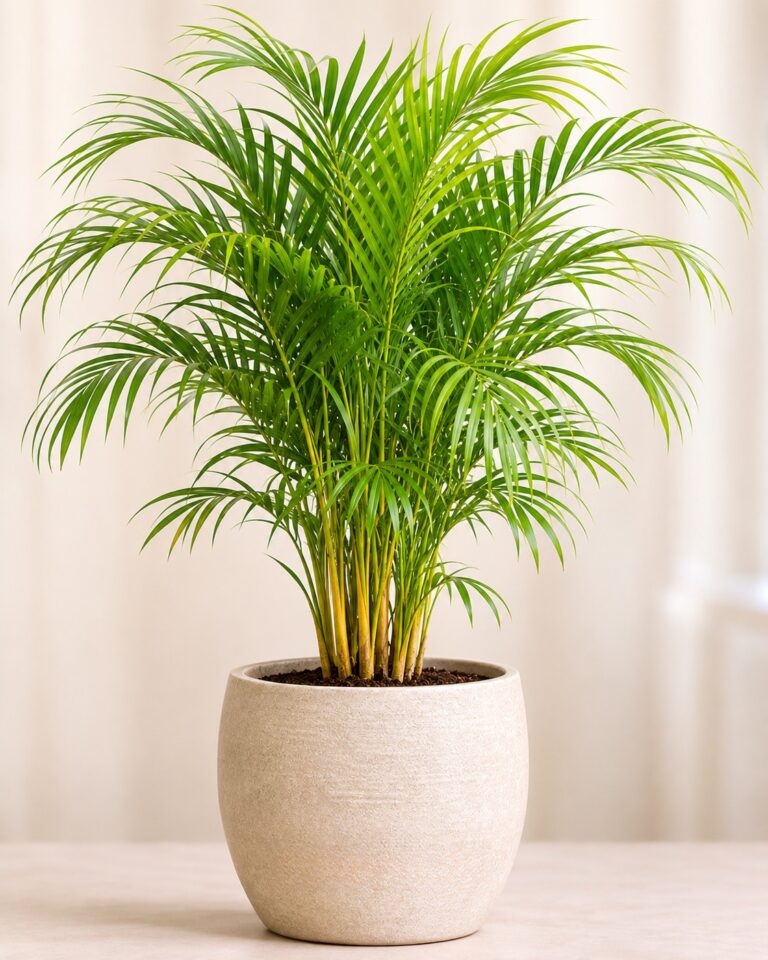
Areca Palm
Dypsis lutescens
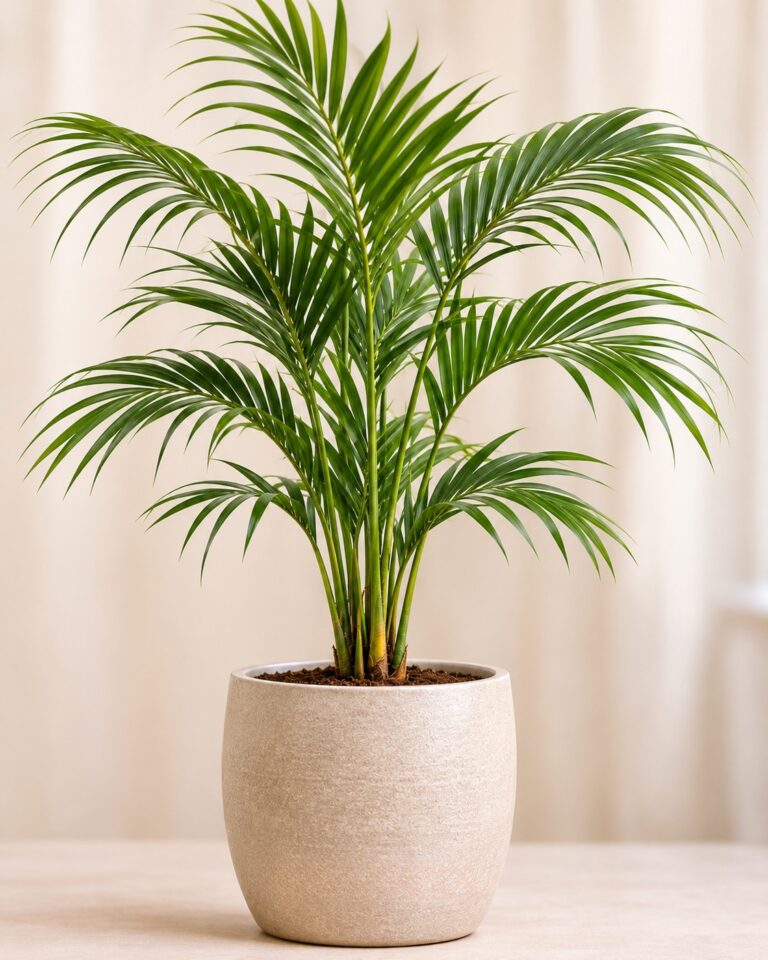
Kentia Palm
Howea forsteriana
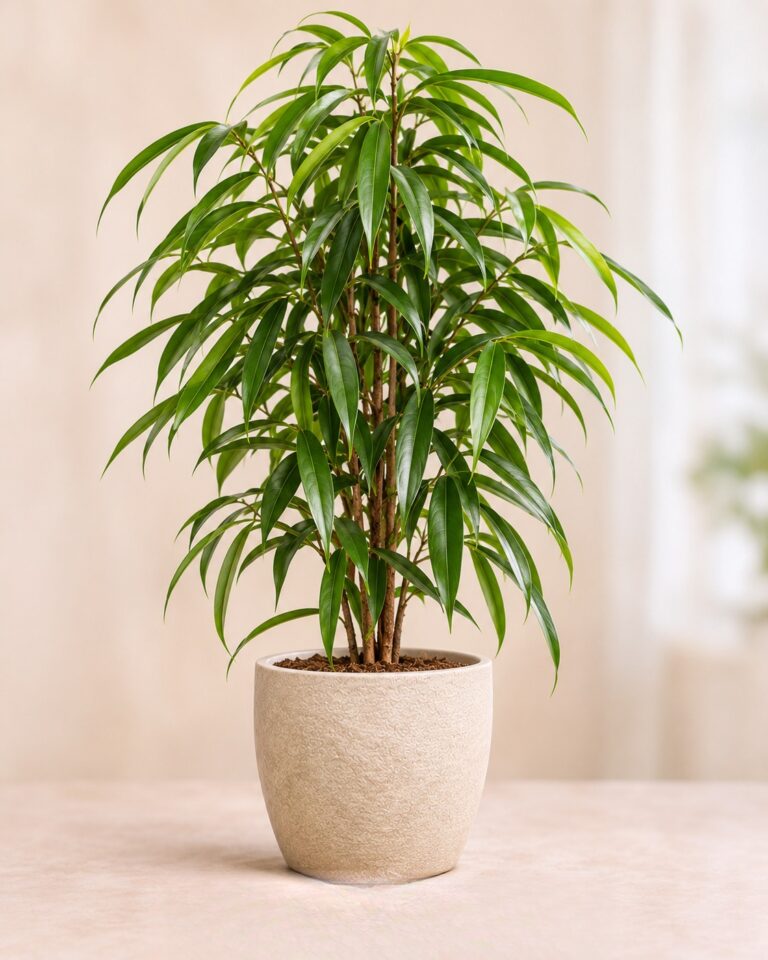
Ficus Alii
Ficus maclellandii 'Alii'