
Boston Fern
Nephrolepis exaltata 'Bostoniensis'
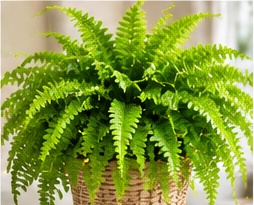
Lush, arching fronds in a graceful green fountain, a classic that loves humidity.
About Boston Fern
Lush, feathery and gloriously green, the Boston Fern is a classic that has been filling parlors and porches for well over a century. Its long, arching fronds spill from a pot or a hanging basket in a soft green fountain, bringing a woodland feel to any room. It is a plant that loves humidity, and in the right spot it can be spectacular.
From Tropical Forest to Victorian Parlor
The Boston Fern is a cultivated form of Nephrolepis exaltata, the sword fern, which grows in tropical and subtropical regions around the world, often as an epiphyte on tree trunks or in damp, shady places. It is commonly said to have originated in the late 1800s as a mutation found in a shipment of ferns sent to Boston, which gave the plant its name. It quickly became a Victorian favorite.
The Secret Behind Those Graceful Fronds
Each frond is made up of dozens of small, narrow leaflets arranged along a central rib, giving a soft, feathery look. Fronds can grow two to three feet long and arch outward as they age. Ferns do not flower: they reproduce by spores, which form in small, round spots on the undersides of fronds, and by runners that creep along the soil.
A World of Beautiful Varieties
Alongside the classic Boston Fern there are many variations, from the frilly, densely ruffled Fluffy Ruffles to lacy, compact types and the smaller Lemon Button Fern. Their needs are similar, so they can share a care routine.
Bringing the Woodland Indoors
Boston Ferns prefer bright, indirect light and constantly damp, though never soggy, soil. Humidity is the key, so a bathroom, kitchen or humidifier nearby helps. Keep them away from dry, hot air from heaters and drafty doors. They are non-toxic to cats and dogs, which makes them a safe choice for pet households.
Soft, graceful and wonderfully lush, the Boston Fern is a plant that rewards attention with a luxuriant fountain of green. Give it humidity, even moisture and gentle light, and it will become a centerpiece.
Care Guide
Everything you need to know to keep your Boston Fern happy and healthy.
A north or east window suits it. Direct sun scorches the fronds, and dim light thins them.
Water when the top inch begins to dry. Never let it dry out completely, or let it stand in water.
Use a pot with drainage holes and a mix containing peat or coir and perlite.
Mist, use a humidifier or place the pot on a pebble tray. A steamy bathroom is ideal.
Avoid cold drafts and dry heat from radiators.
Ferns are sensitive to strong fertilizer, so dilute well.
Through the year
Spring
Repot and divide. Trim any worn fronds.
Summer
Peak growth: water often, mist or run a humidifier and keep out of direct sun.
Autumn
Water a little less and slow down on feeding.
Winter
Keep moist but not wet, and keep away from heaters and dry air.
Repotting
- Repot every
- 1–2 years
- Best time
- Spring
- Pot size step-up
- Go up 1–2 inches (2.5–5 cm) in pot diameter
- Soil mix
- Peat-rich potting mix with perlite
- Signs it needs repotting
- Roots circling the pot, growth that has slowed, or soil that dries out very quickly.
A wide, shallow pot suits the spreading roots. Do not overpot.
Propagation
- Methods
- Division
- Difficulty
- Easy
- Best season
- Spring
- Time to root
- Divisions re-establish within 3–6 weeks
Divide in spring: slide the plant from its pot, cut or tease the root ball into two or three sections, each with healthy roots and fronds, and pot them in fresh, peaty mix. Water well and keep humid. New plants can also form from runners that touch the soil.
Common Problems
Brown, crispy fronds
Symptoms: Fronds dry out and turn brown
Likely cause: Low humidity, dry soil or a heater nearby
Raise humidity, keep the soil evenly moist and trim damaged fronds at the base.
Shedding small leaflets
Symptoms: Little leaflets drop and litter the floor
Likely cause: Dry air, a draft or a move
Keep conditions steady, raise humidity and keep away from heaters. A little shedding is normal.
Scale and mealybugs
Symptoms: Small brown bumps or white cottony clusters on fronds
Likely cause: Sap-sucking insects
Wipe off with alcohol on a cotton swab and treat with insecticidal soap weekly.
Yellowing leaves
Symptoms: Leaves turn yellow and soft, often the lower ones first; the soil stays wet
Likely cause: Overwatering or a pot without drainage
Let the top 2 inches (5 cm) of soil dry out between waterings and empty any saucer after watering. If the soil smells sour, slide the plant out and check the roots: healthy roots are firm and pale, rotten ones are brown and mushy. Trim the bad ones and repot in fresh, free-draining mix.
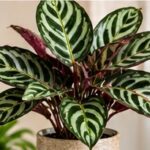
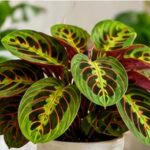
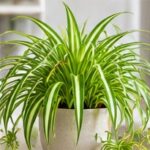
Companion Plants
Plants that grow happily alongside this one.
Download Care Guide
A printable one-page Boston Fern care sheet: light, water, feeding and top tips.