

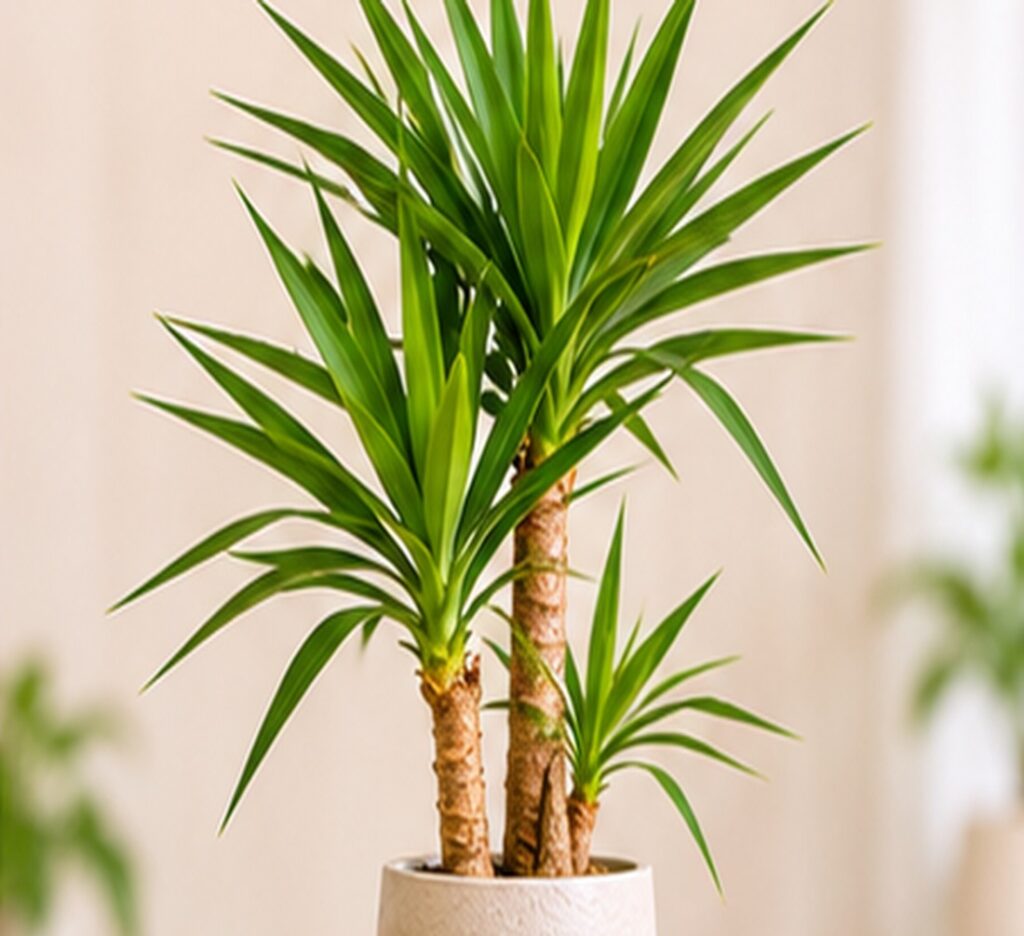
Spineless Yucca
Yucca elephantipes
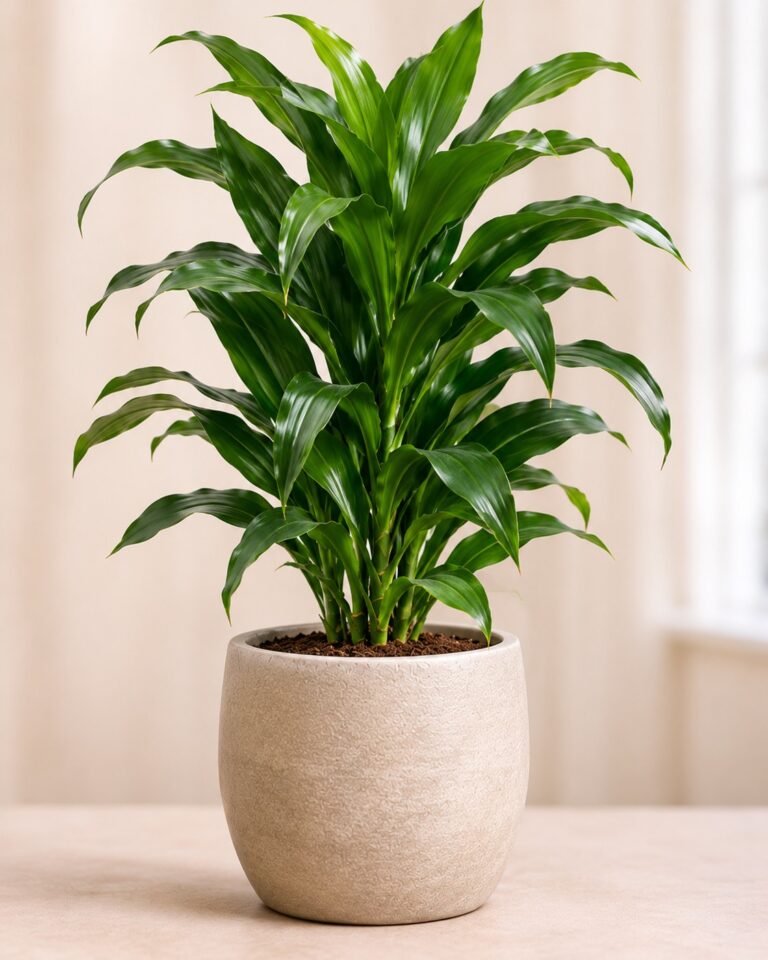
Sword-shaped leaves on thick, cane-like trunks make the Spineless Yucca a bold, drought-tolerant statement plant.
About Spineless Yucca
The Spineless Yucca is a desert plant that has made itself at home indoors. Its strappy, sword-shaped leaves burst from thick, cane-like trunks in a bold rosette, and it thrives on sunshine and neglect, so it suits busy owners.
From Mexico and Central America to Houseplant Favorite
Yucca elephantipes comes from the dry forests of southern Mexico and Central America, where it grows into a large, branching tree. It is the national flower of El Salvador. Unlike many yuccas, its leaf tips are soft and not spiny, which is why it is the species grown indoors.
The Secret Behind Its Thick Canes
Mature plants have thick, rough-barked trunks that look like elephant legs, which is how the plant got its species name. The canes are often sold in sections, with a rosette of leaves sprouting from the top. The leaves are glossy, dark green and about 2 to 3 feet (60 to 90 cm) long, with a flexible, soft tip.
A World of Beautiful Varieties
Variegated forms have cream or yellow edges and need bright light to keep their color. The common houseplant is usually sold as cane sections with one to three rosettes. A related species, Yucca aloifolia, has sharp, stiff leaves and is not recommended for indoor use.
Bringing the Tropics Indoors
Give your yucca the brightest spot in your home, including some direct sun. Water only when the soil has dried out completely, as it stores water in its trunk and hates sitting in damp soil. A gritty, free-draining mix helps prevent rot. It is much more likely to suffer from kindness than from neglect. Keep it away from pets, as the leaves and trunk are mildly toxic.
Bold, easy-going and gloriously drought-tolerant, the Spineless Yucca is perfect for a sunny corner and a forgetful gardener.
Care Guide
Everything you need to know to keep your Spineless Yucca happy and healthy.
Give it as much bright light as possible, including a few hours of direct sun. Low light makes the plant stretch and lose leaves.
Water thoroughly only when the soil is completely dry, roughly every 2–4 weeks. Water even less in winter. Overwatering rots the trunk.
Use a gritty cactus or succulent mix, or add plenty of sand and perlite to standard potting soil. Choose a pot with drainage holes.
It copes with dry household air without any extra humidity.
It tolerates a wide range of temperatures, but keep it above 40°F (4°C) and away from frost.
Feed every 6–8 weeks in spring and summer with a half-strength balanced fertilizer. Skip winter.
Cut the trunk back in spring to control height. New rosettes sprout below the cut. Remove brown lower leaves as they age.
Through the year
Spring
Resume watering and feeding as growth starts.
Summer
Water deeply but infrequently; give plenty of sun.
Autumn
Water less and stop feeding.
Winter
Water very rarely; keep in the brightest spot.
Repotting
- Repot every
- 2–3 years
- Best time
- Spring
- Pot size step-up
- Go up 2 inches (5 cm) in pot diameter
- Soil mix
- Gritty cactus or succulent mix with perlite
- Signs it needs repotting
- Roots at the drainage holes or the plant becoming top-heavy.
Use a heavy pot, as tall plants tip easily. Do not bury the trunk deeper than it was.
Propagation
- Methods
- Stem cutting, Offsets / pups
- Difficulty
- Easy
- Best season
- Spring to summer
- Time to root
- 4–8 weeks
Cut a section of cane and let it dry for a few days. Plant it upright in gritty soil, keep just barely moist, and it will root and sprout new leaves. Pups at the base can also be removed and potted.
Common Problems
Soft, rotting trunk
Symptoms: Base turns soft and brown
Likely cause: Overwatering
Cut off rotted parts, repot into dry gritty mix, and water far less.
Yellow, dropping lower leaves
Symptoms: Lower leaves yellow and fall
Likely cause: Normal aging or overwatering
Remove the lowest leaves and check watering.
Scale and spider mites
Symptoms: Sticky leaves or webbing
Likely cause: Dry air
Wipe leaves with a damp cloth and treat with insecticidal soap.
Companion Plants
Plants that grow happily alongside this one.



Download Care Guide
A printable one-page Spineless Yucca care sheet: light, water, feeding and top tips.
You Might Also Like
View More Plants →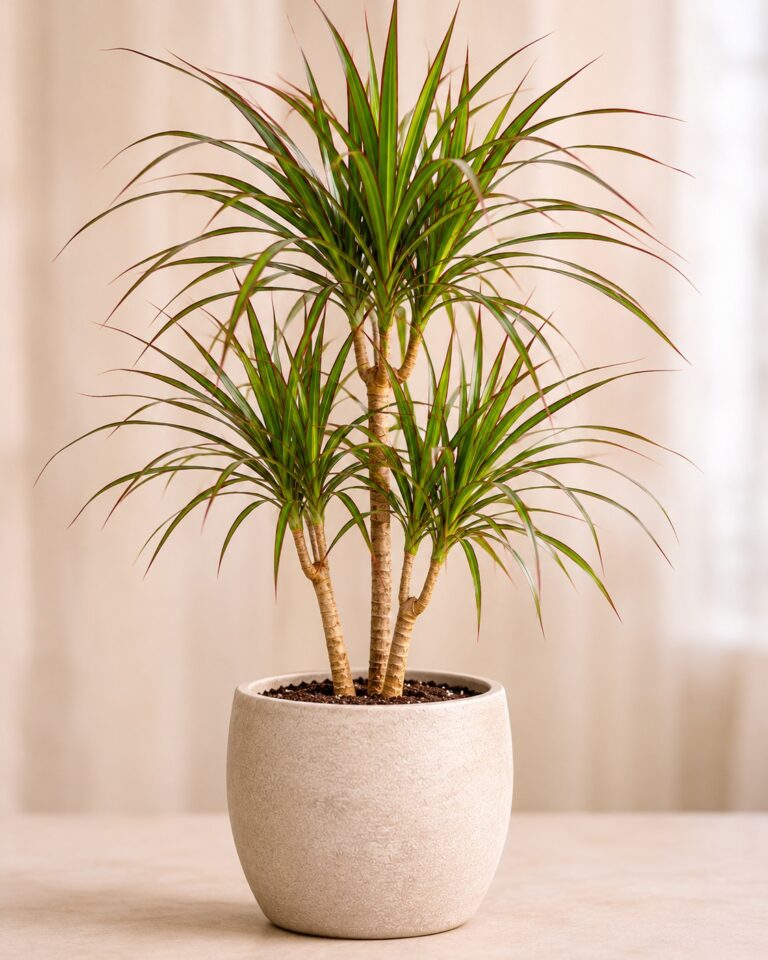
Dragon Tree
Dracaena marginata
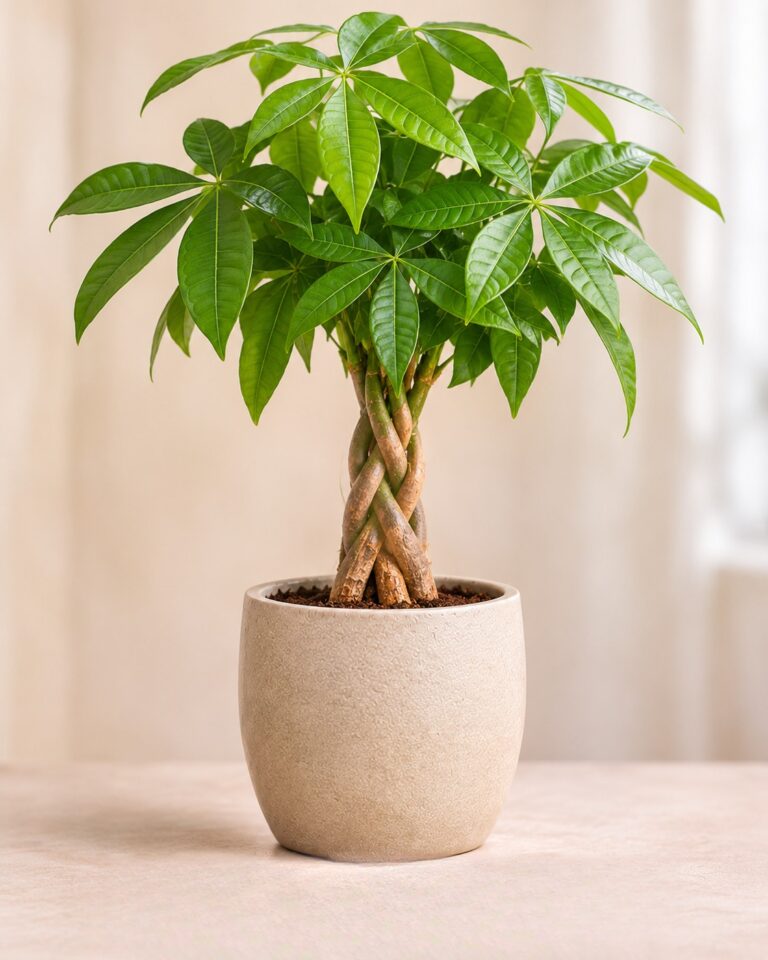
Money Tree
Pachira aquatica
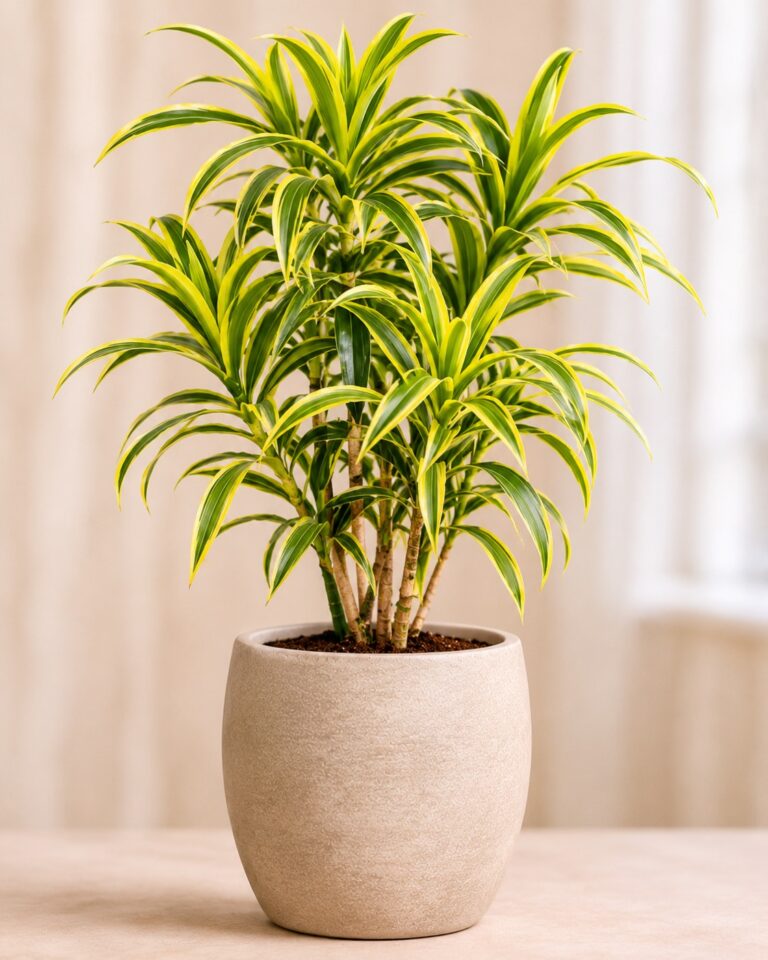
Song of India
Dracaena reflexa 'Song of India'
Janet Craig Dracaena
Dracaena fragrans 'Janet Craig'