
English Ivy
Hedera helix
A classic trailing and climbing vine with lobed, evergreen leaves, lovely in baskets but invasive outdoors in some regions.
About English Ivy
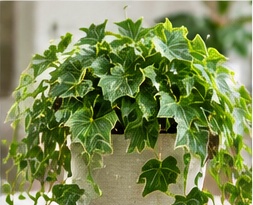
Graceful, classic and endlessly versatile, English Ivy is the vine that clambers over old garden walls, and it works just as well indoors in a hanging basket or topiary frame. Its lobed, glossy leaves are usually dark green with paler veins, and the stems trail or climb with ease. It is an old favorite that brings a woodland feel to any room.
From European Woodland to Hanging Basket
Hedera helix is native to Europe and western Asia, where it climbs trees, walls and cliffs with small aerial rootlets. It belongs to the Araliaceae family, which also includes the schefflera. It has long been a symbol of fidelity and evergreen life in European traditions. In many regions outside its native range, including parts of North America and Australasia, it grows aggressively and is regarded as an invasive plant, so avoid planting it outdoors there.
The Secret Behind Those Two Types of Leaves
English Ivy has two different growth stages. Young plants and stems have lobed, pointed leaves and climb. Mature stems that have reached good light produce unlobed, rounded leaves, and these bear the flowers and black berries. Most houseplants stay in the juvenile stage, which is what gives them their classic ivy shape.
A World of Beautiful Varieties
There are hundreds of cultivars, with variations in leaf shape and color. Some have creamy-white edges, others have curled or ruffled leaves, and some are tiny and tightly packed. They need slightly different amounts of light, but the basics are the same.
Bringing the Woodland Indoors
English Ivy likes bright, indirect light and cool to average temperatures. Keep the soil lightly moist, watering when the top inch has dried, and never let it stand in water. It dislikes hot, dry air, which invites spider mites. All parts of the plant are toxic to cats, dogs and people if eaten, so keep it out of reach of pets and children.
Classic, graceful and easy to train, English Ivy is a charming plant for a bright, cool room. Keep it moist, mist it now and then and trim it back when it gets leggy, and it will happily trail and climb for years.
Care Guide
Everything you need to know to keep your English Ivy happy and healthy.
Variegated types need more light to keep their creamy edges. Direct hot sun scorches the leaves.
Water thoroughly, drain well and avoid soggy soil. Dry soil makes the leaves crisp.
Use a pot with drainage and a mix with a little perlite.
Dry, warm air invites spider mites. Mist or use a humidifier.
Ivy prefers cooler rooms and dislikes heat.
Use a balanced fertilizer at half strength.
Through the year
Spring
Prune and repot. Take cuttings.
Summer
Keep moist and out of hot sun. Check for spider mites.
Autumn
Cut back on watering as growth slows.
Winter
Keep cool, bright and slightly drier. Avoid hot, dry rooms.
Repotting
- Repot every
- 1–2 years
- Best time
- Spring
- Pot size step-up
- Go up 1–2 inches (2.5–5 cm) in pot diameter
- Soil mix
- General-purpose potting mix with perlite
- Signs it needs repotting
- Roots coming from the drainage holes, or a pot that dries out very quickly.
Ivy is happy to be pot-bound. Repot when the roots fill the pot.
Propagation
- Methods
- Stem cutting, Water propagation
- Difficulty
- Easy
- Best season
- Spring to summer
- Time to root
- 2–4 weeks
Take 4–6 inch (10–15 cm) cuttings just below a node, remove the lowest leaves and place the stems in water or moist potting mix. Roots form in two to four weeks. Put several cuttings in one pot for a fuller plant.
Common Problems
Spider mites
Symptoms: Fine webbing and speckled, dull leaves
Likely cause: Dry, warm air
Rinse the leaves in the shower, wipe with insecticidal soap and raise humidity. Repeat weekly.
Brown, crispy leaves
Symptoms: Leaf edges and tips dry out
Likely cause: Dry air or dry soil
Keep the soil moist, mist or use a humidifier and move away from heaters.
Stretching toward the light
Symptoms: Long, thin trailing stems with wide gaps between leaves, and smaller new leaves
Likely cause: Too little light
Move the plant to a brighter spot and rotate the pot a quarter turn each week so it grows evenly. Stretched growth will not shrink back, but trimming and new growth will fill the plant out.
Yellowing leaves
Symptoms: Leaves turn yellow and soft, often the lower ones first; the soil stays wet
Likely cause: Overwatering or a pot without drainage
Let the top 2 inches (5 cm) of soil dry out between waterings and empty any saucer after watering. If the soil smells sour, slide the plant out and check the roots: healthy roots are firm and pale, rotten ones are brown and mushy. Trim the bad ones and repot in fresh, free-draining mix.
Companion Plants
Plants that grow happily alongside this one.
Download Care Guide
A printable one-page English Ivy care sheet: light, water, feeding and top tips.
You Might Also Like
View More Plants →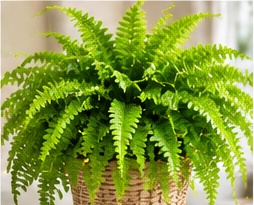
Boston Fern
Nephrolepis exaltata 'Bostoniensis'
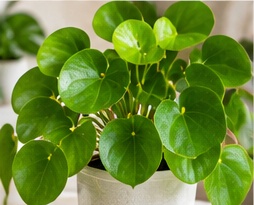
Chinese Money Plant
Pilea peperomioides
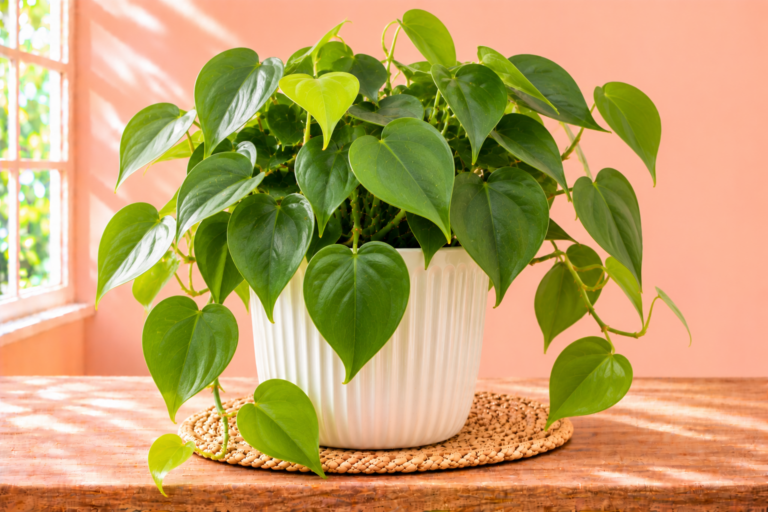
Heartleaf Philodendron
Philodendron hederaceum
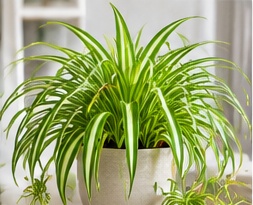
Spider Plant
Chlorophytum comosum