

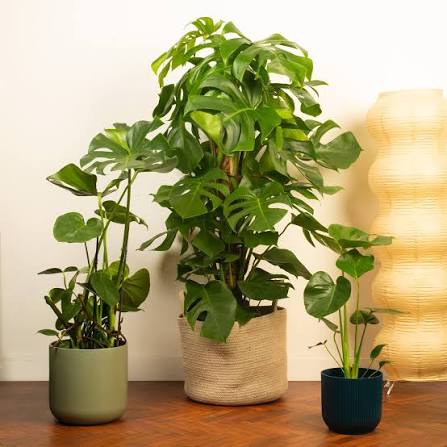
Monstera
Monstera deliciosa
With its dramatic, glossy leaves and distinctive natural splits, the Monstera is one of the most recognizable and beloved houseplants around. Often called the Swiss Cheese Plant, this tropical beauty brings a lush, jungle-inspired feel to indoor spaces.…
About Monstera
With its dramatic, glossy leaves and distinctive natural splits, the Monstera is one of the most recognizable and beloved houseplants around. Often called the Swiss Cheese Plant, this tropical beauty brings a lush, jungle-inspired feel to indoor spaces. Its striking foliage, impressive growth, and relatively straightforward care requirements have made it a firm favorite among houseplant enthusiasts, from complete beginners to experienced collectors.
From Rainforest Climber to Houseplant Favorite
Native to the tropical rainforests of Central America, particularly southern Mexico and surrounding regions, Monstera deliciosa is a climbing evergreen plant belonging to the Araceae family. In its natural habitat, it uses aerial roots to attach itself to trees, gradually climbing toward the forest canopy in search of sunlight. Indoors, it can develop into a magnificent statement plant, especially when provided with a moss pole or other climbing support.
The Secret Behind Those Famous Leaves
The Monstera’s most famous feature is its unusual foliage. Young plants typically produce smaller, heart-shaped leaves without any openings. As the plant matures, its leaves become larger and develop characteristic splits and holes known as fenestrations. These distinctive patterns give each leaf its own appearance and are thought to help the plant adapt to conditions in its rainforest environment.
A World of Beautiful Varieties
Although the classic deep-green Monstera is the most familiar, several striking varieties and cultivars are prized for their unusual coloring. Variegated forms, including Monstera Albo and Thai Constellation, feature beautiful splashes, streaks, or marbling in shades of creamy white and pale yellow. Their eye-catching foliage makes them especially desirable among collectors.
Bringing the Tropics Indoors
Despite its exotic appearance, the Monstera is surprisingly adaptable to indoor life. It thrives in bright, indirect light, prefers a well-draining potting mix, and appreciates watering once the upper layer of soil has dried. Warm temperatures and moderate to high humidity encourage healthy growth, although established plants can tolerate typical household conditions.
With its bold tropical character, fascinating leaf development, and impressive climbing habit, the Monstera is a rewarding plant to grow and watch mature. Given the right conditions, it can transform from a modest young houseplant into a spectacular centerpiece that continues to produce increasingly impressive foliage for years to come.
Care Guide
Everything you need to know to keep your Monstera happy and healthy.
Monsteras thrive best in bright, indirect sunlight for 6 to 12 hours a day. Place them right next to an east-facing window, or set them 3 to 6 feet back from a south- or west-facing window to prevent leaf scorch
A Monstera needs a deep soaking until water runs out of the drainage holes every 1 to 2 weeks during spring and summer, and every 2 to 3 weeks in fall and winter. Instead of a strict calendar, water when the top 2 to 3 inches of soil feel dry to the touch.
need a chunky, well-draining aroid mix (such as 1 part peat-free houseplant compost, 1 part orchid bark, and 1 part perlite or pumice) with a pH of 5.5–7.0. Repot every 1–2 years in spring or early summer using a pot with drainage that is only 5 cm (2 inches) wider.
Monstera plants prefer relative humidity levels between 50% and 60%, though they can tolerate standard indoor humidity down to about 40%
The ideal temperature range for a Monstera plant is 18°C to 29°C (65°F to 85°F).
Monsteras need a balanced or high-nitrogen fertilizer (such as a 3-1-2 or 20-20-20 NPK ratio) diluted to half-strength. Feed every 2 to 4 weeks during the spring and summer active growing season, and reduce or pause feeding completely during fall and winter.
Prune Monstera plants in spring using clean shears by cutting just above a leaf node to remove dead leaves or control leggy growth. Provide vertical support—such as a moss pole, coco coir pole, or bamboo stake, and gently tie the main stem to guide climbing
Download Care Guide
A printable one-page Monstera care sheet: light, water, feeding and top tips.
You Might Also Like
View More Plants →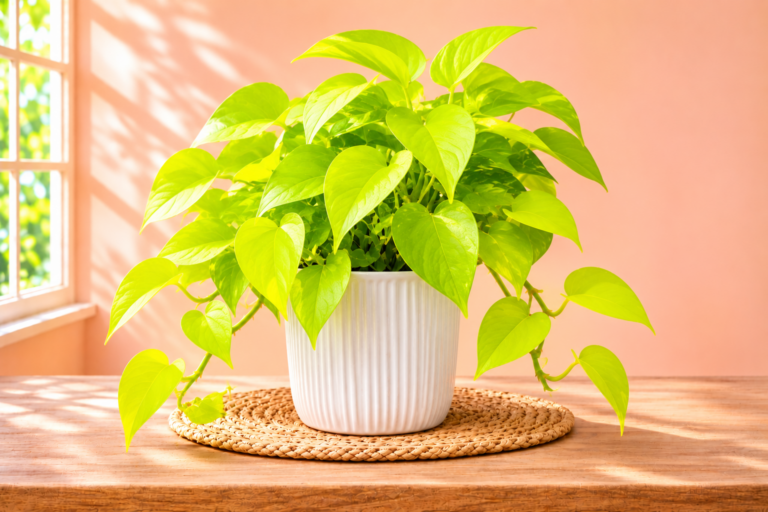
Neon Pothos
Epipremnum aureum 'Neon'
Prayer Plant
Maranta leuconeura
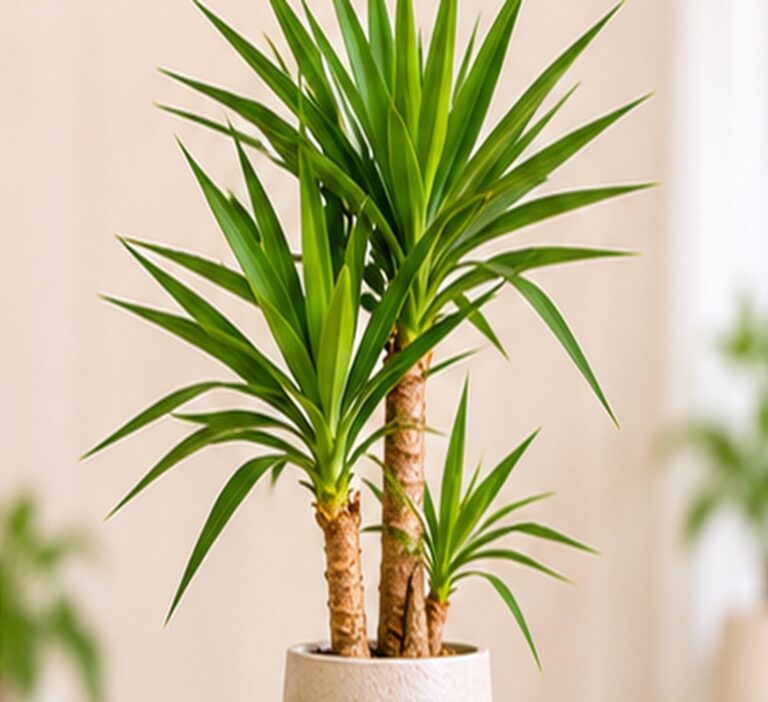
Spineless Yucca
Yucca elephantipes
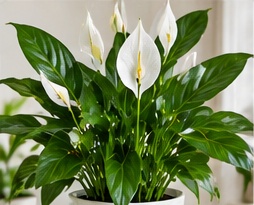
Peace Lily
Spathiphyllum wallisii