

Aloe Vera
Aloe vera
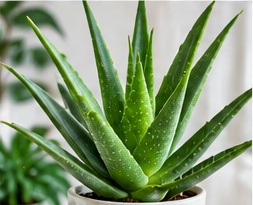
Spiky, fleshy rosettes of gray-green leaves, a sun-loving succulent that thrives on neglect.
About Aloe Vera
Spiky, sculptural and tough as nails, Aloe Vera is the succulent most people picture first. Its thick, fleshy, gray-green leaves form a tidy rosette, edged with soft teeth and often speckled with pale spots. It loves a sunny windowsill, asks for very little water and quietly produces new offsets year after year.
From Arabian Deserts to Windowsill Favorite
Aloe vera belongs to the asphodel family and is believed to have originated on the Arabian Peninsula, though botanists are not entirely sure of its original range because it has been cultivated and carried around the world for thousands of years. It now grows wild in warm, dry regions in many countries. Its long history of cultivation is one reason it is one of the most widely known plants anywhere.
The Secret Behind Those Fleshy Leaves
Each leaf is packed with a clear, gel-like tissue that stores water, which lets the plant survive long dry spells. The leaves are edged with soft teeth and form a rosette that grows from a central point. Over time a healthy plant sends up offsets, or pups, around its base, so a single plant can become a crowd.
A World of Beautiful Varieties
There are hundreds of species of Aloe. Popular houseplants include the compact Lace Aloe, the striking Tiger Tooth Aloe with its banded leaves and the tall, tree-like Aloe arborescens. Aloe vera itself is the one with plain, spotted gray-green leaves and tall, yellow flower spikes.
Bringing the Desert Indoors
Aloe Vera loves bright light, including a few hours of direct sun. Water thoroughly only when the soil has dried out completely, usually every two to three weeks, and less in winter. It needs a gritty cactus or succulent mix and a pot with drainage holes. The plant is mildly toxic to cats and dogs if chewed, so keep it out of reach.
Hardy, handsome and easygoing, Aloe Vera is a lovely choice for a sunny sill. Give it bright light, gritty soil and a light hand with the watering can, and it will keep on growing and producing pups for years.
Care Guide
Everything you need to know to keep your Aloe Vera happy and healthy.
A south- or west-facing window suits it. In low light the leaves stretch and flop.
Soak the soil, drain well and wait until it is dry all the way through, usually two to three weeks. Water much less in winter.
Use cactus mix or ordinary potting soil with a third perlite or coarse sand.
Aloe does well in dry indoor air.
Keep it above 40°F (4°C) and away from frost.
Use a diluted cactus fertilizer.
Through the year
Spring
Repot, separate pups and begin watering more often.
Summer
Water every two to three weeks. Enjoy plenty of sun.
Autumn
Water less as days shorten.
Winter
Water about once a month or less, and keep away from cold windows.
Repotting
- Repot every
- 2–3 years
- Best time
- Spring
- Pot size step-up
- Go up 1–2 inches (2.5–5 cm) in pot diameter
- Soil mix
- Cactus or succulent mix, with extra perlite or grit
- Signs it needs repotting
- Pups crowding the pot, or roots coming out of the drainage holes. A top-heavy plant may tip over.
Use a heavy, wide pot, as Aloe is top-heavy. Terracotta helps the soil dry out.
Propagation
- Methods
- Offsets / pups
- Difficulty
- Easy
- Best season
- Spring to summer
- Time to root
- 2–4 weeks
When a pup has a few leaves of its own and roots, slide the plant out of the pot, snip the pup away with some roots attached and pot it in cactus mix. If there are no roots, let the cut end dry for a few days first. Water sparingly for the first few weeks.
Common Problems
Root rot
Symptoms: Soft, mushy base or stems, a sour smell from the soil, and leaves that yellow and collapse
Likely cause: Soil that stays wet, often from overwatering or a pot with no drainage
Unpot the plant and cut away any brown, mushy roots with clean scissors. Repot in fresh, dry, free-draining mix in a pot with drainage holes and wait a week before watering. If most of the plant is soft, take healthy cuttings or offsets and start again. Aloe leaves turn soft and translucent when waterlogged.
Leaves flop and stretch
Symptoms: Thin, lanky leaves that bend outward
Likely cause: Too little light
Move to a sunny window and rotate the plant.
Brown or red leaves
Symptoms: Leaves turn reddish-brown
Likely cause: Strong sun or drought stress, usually harmless
Acclimatize gradually to sun, and water if the soil is dry.
Mealybugs and spider mites
Symptoms: White cottony clusters in the leaf joints, or fine webbing and pale speckling on the leaves
Likely cause: Sap-sucking insects, more common on stressed plants and in dry, warm rooms
Isolate the plant. Wipe visible bugs away with a cotton swab dipped in rubbing alcohol, then spray or wipe all leaf surfaces with insecticidal soap. Repeat weekly for at least a month, and rinse the plant in the shower first if the infestation is heavy.
Companion Plants
Plants that grow happily alongside this one.
Download Care Guide
A printable one-page Aloe Vera care sheet: light, water, feeding and top tips.
You Might Also Like
View More Plants →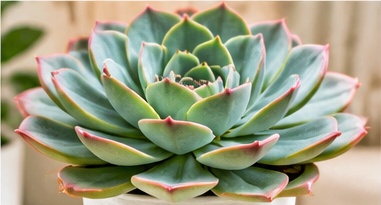
Echeveria
Echeveria
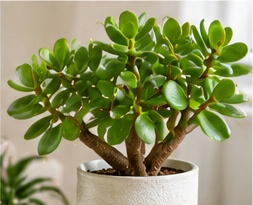
Jade Plant
Crassula ovata