English Ivy
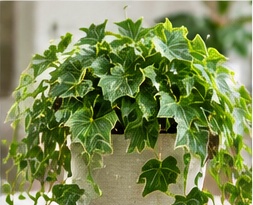
Graceful, classic and endlessly versatile, English Ivy is the vine that clambers over old garden walls, and it works just as well indoors in a hanging basket or topiary frame. Its lobed, glossy leaves are usually dark green with paler veins, and the stems trail or climb with ease.
Light & Placement
Variegated types need more light to keep their creamy edges. Direct hot sun scorches the leaves.
Water
Water when the top inch (2.5 cm) of soil is dry. Water thoroughly, drain well and avoid soggy soil. Dry soil makes the leaves crisp.
Feed & Soil
Feed monthly in spring and summer. Use a balanced fertilizer at half strength. Well-draining potting mix. Use a pot with drainage and a mix with a little perlite.
Repotting
Repot every 1–2 years. Best time: spring. Go up 1–2 inches (2.5–5 cm) in pot diameter.
Top Tips
- Toxic to cats, dogs and people if eaten: the leaves and berries can cause vomiting, drooling and diarrhea…
- Moderate humidity, with a cooler room.
- Hardy to about 20°F (−7°C) outdoors; indoors keep above 45°F (7°C)